What is keto?
The ketogenic diet — commonly called keto — is a way of eating that is very low in carbohydrates, moderate in protein, and high in fat. By drastically reducing carbohydrate intake, the body is pushed into a metabolic state called ketosis, where it burns fat as its primary fuel instead of glucose.
It is not a new concept. The diet was originally developed in the 1920s as a clinical treatment for epilepsy, and it remains one of the most researched dietary interventions in modern medicine.
Keto is not a wellness industry fad. It has over a century of clinical use — originally developed by physicians at Mayo Clinic to treat drug-resistant epilepsy in children.
What happens in your body?
Under normal circumstances, your body runs on glucose — a sugar derived from carbohydrates. When you eat very few carbs (typically under 50g per day), your glucose supply runs low and your liver begins converting stored fat into molecules called ketone bodies. These ketones then serve as an alternative energy source for your brain and muscles.
This shift usually takes two to four days of consistent low-carb eating. Once in ketosis, fat — both dietary and stored body fat — becomes the body's dominant fuel. Insulin levels drop significantly during this process, which also affects weight and blood sugar.
Ketosis is not a disease state. It is a natural metabolic response the human body has used for thousands of years during periods of low food availability — such as winter or extended fasting.
Who is it for?
Keto is not a one-size-fits-all approach. It may be a better fit for some people than others — depending on your health situation, lifestyle, and personal relationship with food.
- People who haven't seen results from traditional calorie counting
- Those with insulin resistance or type 2 diabetes (under medical supervision)
- People who feel better with stable, consistent energy levels
- Those who find high-fat foods naturally satiating
- People managing epilepsy (clinically validated use)
- People with metabolic or kidney conditions — consult a doctor first
- High-performance athletes who rely on carbs for explosive output
- Those who find carb elimination socially or mentally difficult
- People with a history of disordered eating
- Pregnant or breastfeeding women without medical guidance
Pros & cons
- Effective for short-to-medium term weight loss
- Can improve blood sugar stability and reduce insulin spikes
- Many people report reduced hunger and fewer cravings
- May improve HDL cholesterol and triglycerides
- Clinically proven to reduce seizure frequency in epilepsy
- The "keto flu" during the first 1–2 weeks
- Difficult to sustain socially — most meals contain carbs
- May raise LDL cholesterol in some individuals
- Risk of nutrient deficiencies without careful planning
- Long-term adherence rates are generally low
What does the science say?
Research on ketogenic diets has grown considerably over the past two decades. The evidence is strong in some areas, more nuanced in others. Here is what the most cited studies actually found.
A 2013 meta-analysis in the British Journal of Nutrition found that very low-carbohydrate ketogenic diets led to greater weight loss than low-fat diets at 12 months — even without explicit calorie restriction. The difference narrowed over time, suggesting adherence is the main predictor of long-term success.
A 2020 review in Cureus concluded that ketogenic diets can meaningfully reduce HbA1c levels and fasting blood glucose in people with type 2 diabetes, sometimes allowing for medication reduction under supervision.
On cholesterol, the picture is less clear. Keto reliably improves HDL and lowers triglycerides — but LDL may increase in some individuals. Anyone with cardiovascular risk factors should consult a physician before starting.
The research suggests keto works well as a short-to-medium term tool — particularly for weight loss and blood sugar control. Long-term, what matters most is whether you can realistically maintain it.
The short version
- Keto is a very low-carb, high-fat diet that shifts your body into a fat-burning state called ketosis.
- It can be effective for weight loss and blood sugar management, particularly in the short to medium term.
- The "keto flu" is a common and temporary adjustment phase — manageable with hydration and electrolytes.
- It is not suitable for everyone — people with certain health conditions should seek medical advice first.
- Like any dietary approach, long-term success comes down to whether you can actually sustain it.
How Improo can help
A simple way to start: check the nutrition label on everything you eat for one week and write down the total carbs. You'll quickly spot which foods are quietly pushing you over the 50g threshold — no app required, just a notes app or a piece of paper.
What we'd actually buy
We only include products we believe add genuine value to a ketogenic approach. Each one is selected based on evidence, user feedback, and practical usefulness — not commission rates.

MCT oil converts directly into ketones in the liver — giving your brain fast fuel without carbs. It reduces keto flu symptoms, supports sustained energy, and helps you reach and stay in ketosis faster.
Organic certified, no additives, and one of the most studied forms of MCT supplementation. Particularly useful in the first two weeks when energy dips are most common.
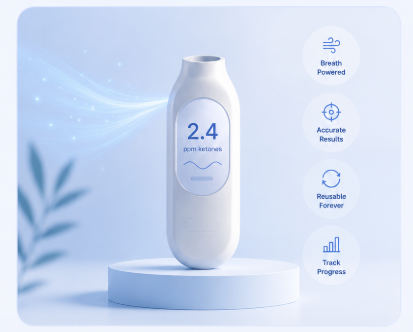
A breath-based ketone meter — no pricking, no disposable strips. Reusable for life, and accurate enough for daily use. Monitor your fat metabolism and ketosis level in real time.
No consumables means no ongoing cost after purchase. Slightly less precise than blood testing, but more than good enough for day-to-day tracking. 4.0 stars across nearly 1,000 reviews.
References
-
1Bueno, N.B. et al. (2013). Very-low-carbohydrate ketogenic diet v. low-fat diet for long-term weight loss. British Journal of Nutrition, 110(7), 1178–1187. DOI: 10.1017/S0007114513000548
-
2Batch, J.T. et al. (2020). Advantages and Disadvantages of the Ketogenic Diet: A Review Article. Cureus, 12(8), e9639. DOI: 10.7759/cureus.9639
-
3Harvard T.H. Chan School of Public Health. Diet Review: Ketogenic Diet for Weight Loss. hsph.harvard.edu